Replacing carpet isn’t just about picking a new color, it’s a real line item in the home improvement budget, and costs can swing wildly depending on what you choose and where you live. In 2026, homeowners can expect to pay anywhere from under $1,000 for a small bedroom to well over $5,000 for whole-house installation, depending on material quality, room size, and labor complexity. Understanding the breakdown between material, labor, and prep work helps you make an well-informed choice and spot inflated quotes. This guide walks you through what carpet installation actually costs, what drives the price tag, and where you can trim expenses without compromising on durability or appearance.
Table of Contents
ToggleKey Takeaways
- Carpet installation costs range from $2–$4 per square foot for budget options to $8–$15+ per square foot for premium materials, with whole-house projects typically costing $1,000–$5,000+ depending on region and quality.
- Regional labor rates significantly impact pricing—urban areas like New York, Los Angeles, and Seattle charge 20–30% more than rural areas, so getting local quotes is essential for accurate estimates.
- Hidden costs including subfloor repairs, underlayment, disposal, and seaming charges can add hundreds to your final bill, so always ask installers what’s included before accepting a quote.
- Professional carpet installation is worth the investment since labor typically accounts for 40–60% of total costs, specialized tools are required, and DIY mistakes void manufacturer warranties.
- Save on carpet installation by getting multiple quotes, buying carpet separately from labor, scheduling during slow winter months, and handling old carpet removal yourself to save $200–$400.
Average Carpet Installation Costs by Region and Material
Carpet installation pricing hinges on two main variables: where you live and what you’re installing.
Regional variation is real. Urban markets like New York, Los Angeles, and Chicago see labor costs running 20–30% higher than rural areas or smaller towns. A square foot of carpet that costs $2.50 to install in Kansas might run $4.00+ in downtown Seattle. Coastal states and major metros consistently charge premium labor rates.
Material costs also differ by region. Discount retailers and big-box stores often have better pricing in high-volume markets, while specialty carpet shops in remote areas may mark up inventory to cover shipping and storage.
Budget carpet (basic nylon or polyester blends) typically runs $2–$4 per square foot installed. For a 200-square-foot bedroom, expect $400–$800 labor plus materials. Mid-range saxony or frieze carpets cost $4–$8 per square foot installed. Premium wool, high-end nylon, or textured berber can hit $8–$15+ per square foot installed.
According to carpet replacement cost data, average installation costs range from $780 to $2,600 nationally for whole rooms or small jobs, though larger projects scale differently. Always get at least two local quotes, pricing varies enough that a $500+ difference between contractors isn’t uncommon.
Factors That Impact Your Total Installation Price
Beyond carpet type and region, several hidden costs can inflate your final bill. Knowing what they are helps you negotiate confidently.
Room Size and Square Footage
Square footage is the foundation of any quote. Installers measure walls, closets, and cut-outs carefully, a 300-square-foot living room isn’t just a flat number. Doorways, alcoves, and closet floors all count, and seaming patterns matter too. A simple rectangular room costs less per square foot than an irregular space with multiple seams.
Waste factor (10–15%) is usually built into quotes automatically. Carpet rolls come in standard widths (12 feet is common), so installers may need to order extra yardage to avoid visible seams or pattern mismatches. If your room is oddly shaped or you’re installing in a staircase, expect higher waste and seaming charges.
Subfloor Condition and Preparation
This is where hidden costs hide. If the subfloor is damaged, uneven, or has moisture issues, the installer will flag it and charge for repairs. Old carpet removal and disposal costs $1–$2 per square foot on average. Underlayment (the padding beneath carpet) adds $0.50–$1.50 per square foot, necessary for comfort and extends carpet life by 5+ years.
Floor leveling or patching might run $50–$200+ if there’s significant unevenness. Moisture barriers cost extra in basements or over concrete. Moving furniture isn’t always included: some installers charge $50–$100 for this service. Always ask if your quote includes removal, underlayment, and basic floor prep. If the subfloor needs structural repairs, that’s typically a separate contractor’s job and can add hundreds or thousands.
DIY vs. Professional Installation: Costs and Considerations
Some homeowners toy with the idea of installing carpet themselves to save labor costs. Stop. Carpet installation isn’t a realistic DIY project for most.
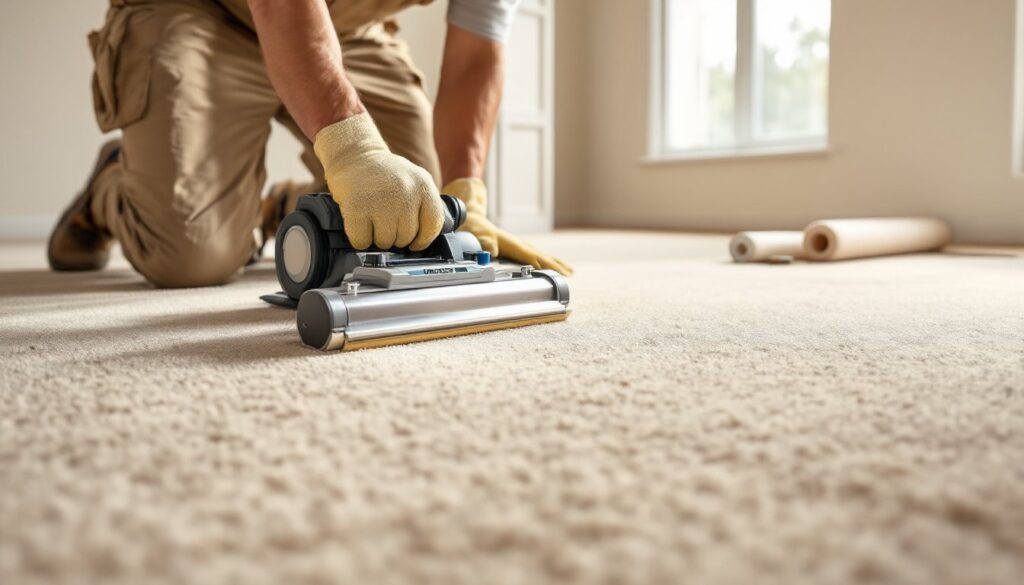
Why professionals are worth it: Carpet seaming, stretching, and fitting require specialized tools (a power stretcher can cost $500+ to rent, and you need to know how to use it). Bad stretching leads to wrinkles, premature wear, and voided warranties. Seams are visible and permanent, one misaligned seam ruins the whole job. Installers also navigate tricky spaces (stairs, transitions, closets) that trip up amateurs.
Labor typically accounts for 40–60% of the total installation cost. If you’re paying $3,000 for a whole-house install, $1,200–$1,800 is labor. You’re not really saving that much after renting tools and buying materials incorrectly.
The exception: Removing old carpet yourself and hauling it to the dump can save $200–$400. Some installers will credit you for this. But laying down the new carpet? Leave it to the pros. Most carpet warranties require professional installation anyway, so DIY voids coverage on defects.
Ways to Save on Carpet Installation Without Sacrificing Quality
Price-shop strategically without landing in the bargain basement.
Get multiple quotes. Contact at least three local installers. Compare apples to apples: same carpet, same underlayment, same prep work. Resources like Angi and ImproveNet let you request free estimates and read contractor reviews, which helps you spot truly competitive pricing.
Buy carpet and installation separately. Warehouse retailers and online dealers often undercut flooring showrooms on material. Buy the carpet, then hire a local installer to handle labor only. This works especially well for budget to mid-range carpet: premium wool might come with installation included as a package deal.
Skip premium underlayment if it’s overkill. Standard 6 oz. or 8 oz. padding is fine for bedrooms and living rooms. Thicker 12 oz. padding makes sense in high-traffic hallways and kids’ rooms. Ask what’s included: don’t pay extra for premium if your room doesn’t need it.
Combine rooms to reduce seaming costs. If you’re doing multiple rooms, ask for a discount on seaming labor, one long day of work is cheaper than three separate jobs.
Buy clearance or discontinued styles. Showrooms often discount older inventory. Last season’s colors or discontinued patterns are fine if they match your décor.
Schedule during slow seasons. Carpet installation demand dips in winter. Installers may offer 10–20% discounts if you’re flexible on timing.
Do removal yourself. Haul away old carpet and padding to save $200–$400 in disposal fees. It’s physical work but doable for a strong DIYer with a truck.
Conclusion
Carpet installation costs are driven by material quality, regional labor rates, and subfloor prep, not just square footage. Budget $2–$4 per square foot for basic installation, $4–$8 for mid-range, and $8–$15+ for premium carpet. Get three quotes, clarify what’s included (removal, underlayment, floor prep), and remember that the cheapest option isn’t always the best. Professional installation protects your warranty and avoids costly mistakes. With smart planning and realistic expectations, you’ll land quality carpet at a fair price.