
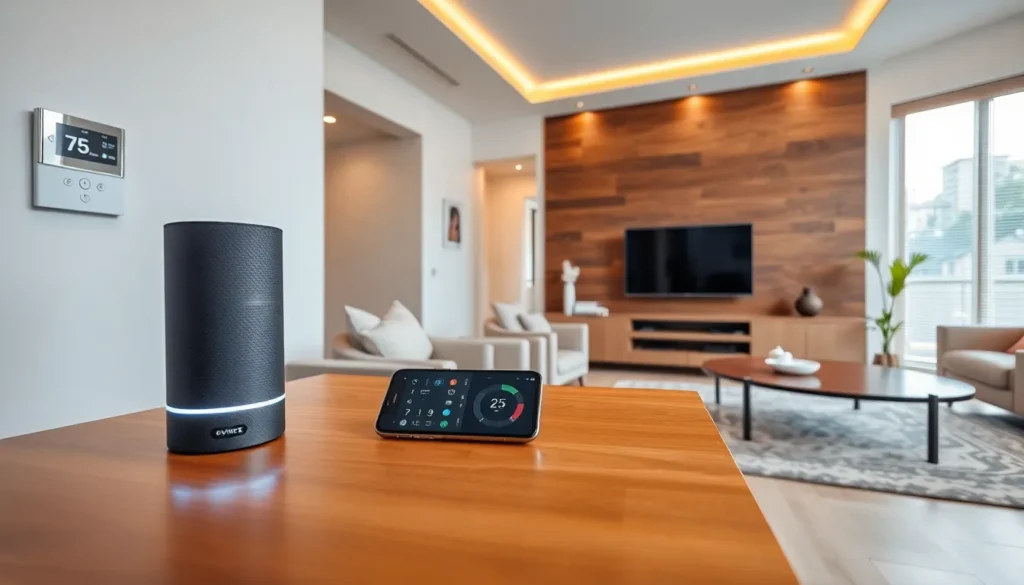
Smart home tech has changed how people interact with their living spaces. These connected devices allow homeowners to control lighting, temperature, security, and entertainment with voice commands or smartphone apps. The global smart home market reached $121 billion in 2024 and continues to grow as more households adopt these technologies. This guide covers everything needed to understand, choose, and set up smart home devices for a more convenient and efficient lifestyle.
Table of Contents
ToggleKey Takeaways
- Smart home tech connects devices like thermostats, locks, and lights to the internet, allowing control through voice commands or smartphone apps.
- Choose one ecosystem (Alexa, Google Assistant, or Apple HomeKit) to simplify device management and ensure compatibility.
- Smart thermostats alone can reduce heating and cooling costs by 10-15%, making energy savings a key benefit of home automation.
- Start small with a smart speaker and one or two devices, then expand your smart home tech setup as needs arise.
- Look for Matter-certified devices to guarantee cross-platform compatibility and future-proof your investment.
- Automations that connect multiple devices—like morning or evening routines—multiply the convenience and value of your smart home.
What Is Smart Home Technology
Smart home technology refers to devices and systems that connect to the internet and communicate with each other. These products use Wi-Fi, Bluetooth, Zigbee, or Z-Wave protocols to share data and respond to commands. A smart home tech setup typically includes a central hub or voice assistant that serves as the control center.
The core concept is simple: devices that once operated manually now respond to schedules, sensors, or direct commands. A smart thermostat learns household patterns and adjusts temperatures automatically. Smart locks let homeowners grant access remotely. Motion sensors trigger lights when someone enters a room.
Modern smart home tech falls into several categories:
- Climate control: Thermostats, fans, and air quality monitors
- Lighting: Bulbs, switches, and light strips
- Security: Cameras, doorbells, locks, and alarm systems
- Entertainment: Speakers, TVs, and streaming devices
- Appliances: Refrigerators, washers, and robot vacuums
Voice assistants like Amazon Alexa, Google Assistant, and Apple Siri serve as the brains behind many smart home setups. They process voice commands and coordinate actions across multiple devices. Say “good night” and your assistant can lock doors, turn off lights, and set the alarm, all at once.
Essential Smart Home Devices for Every Room
Building a smart home tech ecosystem works best when homeowners focus on one room at a time. Each space has specific needs and opportunities for automation.
Living Room
The living room often serves as the smart home hub. A voice-controlled speaker like the Amazon Echo or Google Nest provides hands-free control. Smart TVs and streaming devices integrate with voice assistants for easy content access. Smart plugs turn ordinary lamps into connected devices, and motorized blinds adjust based on time of day or sunlight levels.
Kitchen
Smart home tech transforms kitchen efficiency. Smart displays show recipes while users cook. Connected refrigerators track expiration dates and create shopping lists. Smart plugs control coffee makers for automatic morning brews. Water leak sensors under the sink provide early warnings before small drips become major problems.
Bedroom
Sleep quality improves with the right smart home devices. Smart bulbs that adjust color temperature help regulate circadian rhythms, warm light in the evening, bright white in the morning. Smart plugs on fans or white noise machines respond to sleep schedules. Some users add smart mattresses or sleep trackers that integrate with other devices.
Bathroom
Water-resistant smart speakers bring music and news to morning routines. Smart mirrors display weather, calendar events, and news headlines. Motion-activated night lights guide late-night trips without harsh overhead lighting. Smart water monitors track usage and detect leaks.
Entryway and Exterior
Security takes priority at entry points. Video doorbells show visitors before opening the door. Smart locks eliminate lost keys and allow temporary access codes for guests or delivery drivers. Outdoor cameras monitor property perimeters. Smart garage door openers confirm closure from anywhere.
Benefits of Automating Your Home
Smart home tech delivers measurable advantages that justify the investment for most households.
Energy Savings
Smart thermostats reduce heating and cooling costs by 10-15% according to Energy Star data. They learn schedules and adjust temperatures when nobody’s home. Smart lighting turns off automatically in empty rooms. These small changes add up to significant annual savings on utility bills.
Convenience
Voice control eliminates the need to get up, find remotes, or flip switches. Automations handle repetitive tasks without human input. Forgot to turn off the iron? Check and control it from work. Arriving home late? Turn on lights before walking through the door.
Security
Smart home tech provides peace of mind through constant monitoring. Motion alerts notify homeowners of unexpected activity. Video recordings capture evidence if incidents occur. Smart locks log every entry and exit. Some insurance companies offer discounts for homes with connected security systems.
Accessibility
Voice control helps people with mobility challenges operate their homes independently. Smart home devices respond to verbal commands, eliminating the need to reach switches or turn knobs. Automated routines reduce physical tasks throughout the day.
Property Value
Homes with smart technology often sell faster and at higher prices. Buyers recognize the appeal of move-in-ready automation. A 2024 survey found that 78% of home buyers consider smart home features desirable or essential.
How to Get Started With Smart Home Tech
Starting a smart home doesn’t require a massive investment or technical expertise. A practical approach builds the system gradually.
Step 1: Choose an Ecosystem
Pick a primary voice assistant platform: Amazon Alexa, Google Assistant, or Apple HomeKit. Each has strengths. Alexa offers the widest device compatibility. Google excels at search integration and natural conversations. Apple provides strong privacy protections. Most smart home tech works with multiple platforms, but consistency simplifies control.
Step 2: Start Small
Begin with one or two devices that solve real problems. A smart speaker provides the foundation for voice control. A smart thermostat saves energy immediately. Smart bulbs or plugs offer affordable entry points. These initial purchases reveal preferences and guide future expansion.
Step 3: Prioritize Compatibility
Before buying, verify that devices work with the chosen ecosystem. Check for Matter certification, a new universal standard that ensures cross-platform compatibility. Matter-certified smart home tech works across all major platforms without restrictions.
Step 4: Set Up Automations
Once several devices exist in the ecosystem, create routines that connect them. Morning routines might raise blinds, adjust thermostats, and start coffee makers. Evening routines could dim lights, lock doors, and arm security systems. These automations multiply the value of individual devices.
Step 5: Expand Thoughtfully
Add devices as needs emerge rather than buying everything at once. Pay attention to which manual tasks feel tedious. Those tasks make excellent automation candidates. Quality matters more than quantity, reliable devices provide better long-term value than cheap alternatives that frustrate users.