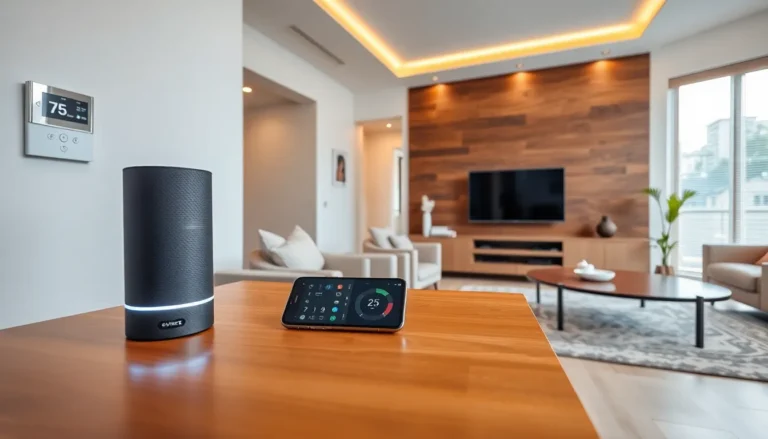
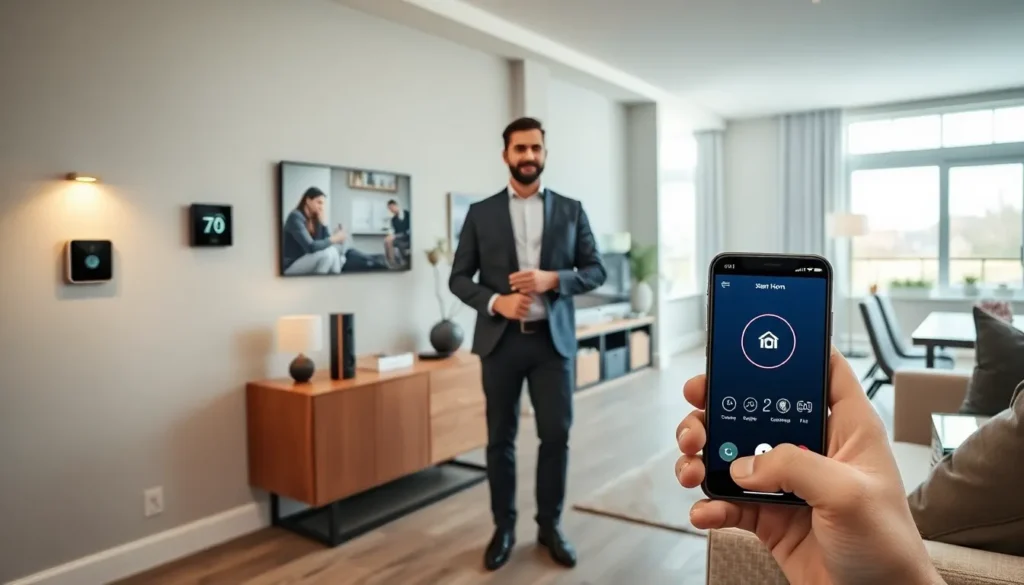
A smart home tech guide helps homeowners understand connected devices, automation systems, and the ecosystems that power modern living spaces. In 2025, smart home technology has become more accessible, affordable, and practical than ever before. Whether someone wants to control their lights with voice commands or monitor their home security from a smartphone, this guide covers the essentials. Readers will learn what smart home technology actually means, which devices work best for beginners, and how to build a secure, efficient connected home.
Table of Contents
ToggleKey Takeaways
- A smart home tech guide helps beginners understand connected devices, ecosystems, and automation systems for modern living.
- Start with affordable essentials like smart speakers, lighting, thermostats, and video doorbells to build your foundation.
- Choose a compatible ecosystem—Amazon Alexa, Google Home, or Apple HomeKit—based on your existing devices and preferences.
- Look for Matter-certified devices to ensure cross-platform compatibility and future flexibility.
- Upgrade to a Wi-Fi 6 router and consider a separate network for smart home devices to improve performance and security.
- Protect your connected home by using strong passwords, enabling two-factor authentication, and keeping firmware updated.
What Is Smart Home Technology
Smart home technology refers to devices and systems that connect to the internet and communicate with each other. These devices allow homeowners to automate tasks, monitor their property remotely, and control various functions through apps or voice assistants.
The core idea behind smart home tech is simple: convenience through connectivity. A smart thermostat learns heating preferences and adjusts temperatures automatically. Smart locks let users unlock doors from anywhere. Smart speakers respond to voice commands and control other connected devices.
Most smart home devices use Wi-Fi, Bluetooth, Zigbee, or Z-Wave protocols to communicate. They connect to a central hub or work independently through a home network. The result is a home that responds to commands, adapts to habits, and provides information in real time.
In 2025, smart home technology has expanded beyond luxury gadgets. It now includes practical solutions for energy savings, home security, and daily convenience. Over 60% of U.S. households now own at least one smart home device, according to recent industry surveys.
Essential Smart Home Devices for Beginners
Starting a smart home doesn’t require a massive investment. A few key devices can transform daily routines and serve as a foundation for future expansion.
Smart Speakers and Voice Assistants
Smart speakers like Amazon Echo and Google Nest serve as command centers for connected homes. They respond to voice commands, play music, answer questions, and control other smart devices. Most beginners find these devices the easiest entry point into smart home tech.
Smart Lighting
Smart bulbs and light switches offer immediate benefits. Users can dim lights, change colors, set schedules, and control lighting remotely. Philips Hue, LIFX, and Wyze offer popular options at various price points. Smart lighting also reduces energy consumption when paired with motion sensors or schedules.
Smart Thermostats
Devices like the Nest Learning Thermostat and Ecobee save money on energy bills. They learn household patterns, adjust temperatures based on occupancy, and allow remote control. Many utility companies offer rebates for smart thermostat installation.
Smart Plugs
Smart plugs convert ordinary appliances into connected devices. They plug into standard outlets and let users control lamps, fans, or coffee makers through apps or voice commands. They’re affordable and require no installation.
Video Doorbells
Ring, Nest, and Arlo video doorbells show visitors in real time. They record footage, send alerts, and allow two-way communication. These devices improve home security without complex installation.
How to Choose the Right Smart Home Ecosystem
Smart home devices work best within compatible ecosystems. The three major platforms dominate the market: Amazon Alexa, Google Home, and Apple HomeKit. Choosing the right ecosystem affects which devices work together and how users interact with their smart home.
Amazon Alexa offers the widest device compatibility. Thousands of products work with Alexa, and Echo devices provide affordable entry points. Alexa excels at voice control and third-party integrations.
Google Home integrates tightly with Google services like Calendar, Maps, and Search. Google Assistant handles conversational commands well and works seamlessly with Android devices. Nest products form the hardware backbone of this ecosystem.
Apple HomeKit prioritizes privacy and security. It requires devices to meet strict certification standards. HomeKit works best for households already invested in Apple products like iPhones, iPads, and Macs. The Home app provides clean, intuitive control.
Before purchasing smart home devices, buyers should consider which ecosystem matches their existing technology. Mixing ecosystems creates complications. A household using Android phones and Google services will find Google Home most convenient. Apple users benefit from HomeKit’s seamless integration.
The Matter protocol, launched in 2022 and now widely adopted, helps bridge ecosystem gaps. Matter-certified devices work across platforms, giving consumers more flexibility. When shopping for smart home tech in 2025, look for the Matter logo to ensure cross-platform compatibility.
Setting Up Your Smart Home Network
A strong network forms the backbone of any smart home. Without reliable Wi-Fi, devices disconnect, automations fail, and frustration builds. Proper network setup prevents most common smart home problems.
Upgrade Your Router
Older routers struggle with multiple connected devices. Modern smart homes may have 20, 30, or more devices competing for bandwidth. A Wi-Fi 6 or Wi-Fi 6E router handles this traffic efficiently. Mesh network systems like Eero, Google Nest WiFi, or Orbi eliminate dead zones in larger homes.
Create a Separate Network
Many experts recommend placing smart home devices on a separate network or VLAN. This approach improves security by isolating IoT devices from computers and phones that store sensitive data. Most modern routers offer guest network features that accomplish this easily.
Position Devices Strategically
Smart home devices need strong signals to function reliably. Place hubs and repeaters centrally. Avoid thick walls and metal objects that block signals. Some devices using Zigbee or Z-Wave protocols create mesh networks where each device strengthens the overall signal.
Plan for Expansion
Start small but think ahead. Choose devices and platforms that allow growth. Document device names, locations, and network credentials. This organization simplifies troubleshooting and makes adding new smart home tech straightforward.
Tips for Smart Home Security and Privacy
Connected devices create potential entry points for hackers. Smart home security requires attention to both physical safety and digital privacy. A few precautions protect households from common threats.
Use strong, unique passwords for every device and account. Password managers generate and store complex credentials. Never use default passwords that come with devices, hackers know these and exploit them regularly.
Enable two-factor authentication on all smart home accounts. This adds a second verification step, usually a text message or app notification, before allowing access. Even if someone steals a password, they can’t log in without the second factor.
Keep firmware updated on all devices. Manufacturers release updates that patch security vulnerabilities. Enable automatic updates when possible. Check manually for devices that don’t update automatically.
Review privacy settings on voice assistants and cameras. Disable features that aren’t needed. Delete stored voice recordings regularly. Understand what data companies collect and how they use it.
Buy from reputable brands that provide ongoing support and security updates. Cheap, no-name devices often lack security features and stop receiving updates quickly. The small savings aren’t worth the risk.
Smart home tech enhances convenience, but users must take responsibility for their security. These practices reduce risk without sacrificing the benefits of a connected home.