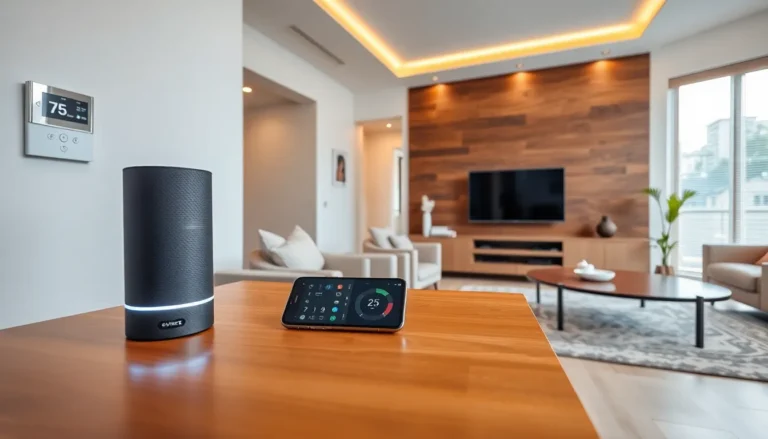
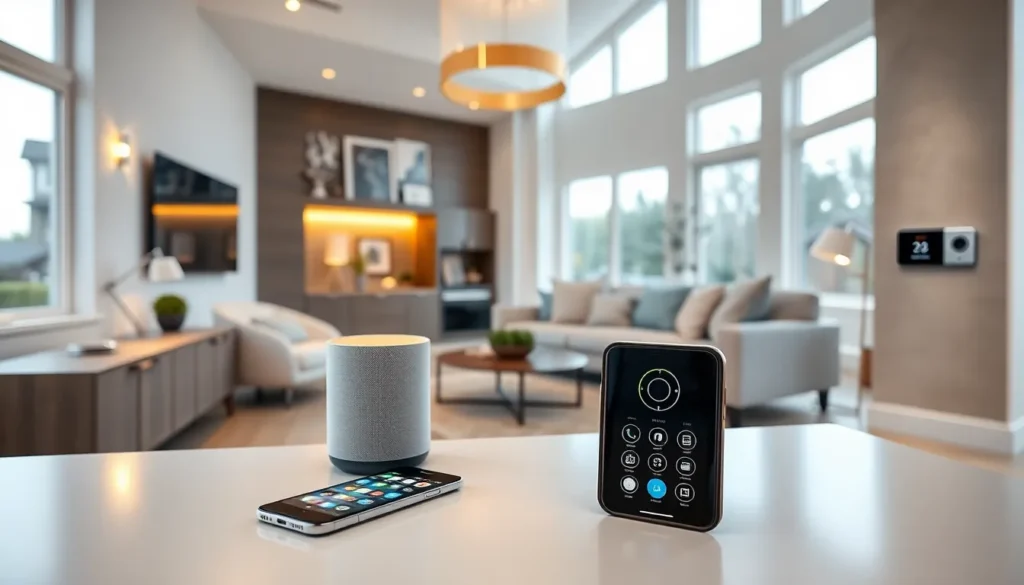
Smart home tech tools have transformed how people interact with their living spaces. These devices automate daily tasks, improve energy efficiency, and add convenience to everyday routines. From voice-controlled assistants to intelligent thermostats, the options continue to expand each year.
The global smart home market reached $121 billion in 2024, and experts project it will grow significantly through 2030. This growth reflects a clear trend: homeowners want technology that simplifies life. Whether someone is building a new home or upgrading an existing one, smart home tech tools offer practical solutions for modern living.
This guide covers the essential devices that make homes smarter. It explores what defines a smart home, highlights the best product categories, and explains how to connect everything into a seamless system.
Table of Contents
ToggleKey Takeaways
- Smart home tech tools automate daily tasks, improve energy efficiency, and allow remote control of household functions through Wi-Fi, Bluetooth, or hub connectivity.
- Voice assistants like Alexa, Google Assistant, and Siri serve as the command center, making them the simplest entry point for smart home beginners.
- Smart thermostats can reduce energy bills by 10-15% annually and typically pay for themselves within one to two years.
- Choose a primary platform (Amazon Alexa, Google Home, or Apple HomeKit) and check device compatibility before purchasing to build a seamless connected ecosystem.
- Create automation routines that connect multiple smart home tech tools—like a “Leaving Home” routine that locks doors, arms security, and turns off lights simultaneously.
- Prioritize security by changing default passwords, enabling two-factor authentication, and keeping firmware updated on all smart devices.
What Makes a Smart Home Smart
A smart home uses internet-connected devices to automate and control household functions. These smart home tech tools communicate through Wi-Fi, Bluetooth, Zigbee, or Z-Wave protocols. The key difference between regular appliances and smart ones? Connectivity and remote control.
Smart devices share three core features. First, they connect to the internet or a local hub. Second, they respond to commands from apps, voice assistants, or automated schedules. Third, they can learn user preferences over time and adjust their behavior accordingly.
Consider a traditional thermostat versus a smart thermostat. The traditional version requires manual adjustment. A smart thermostat learns a household’s patterns, adjusts temperatures automatically, and allows control from anywhere via smartphone. It saves energy and reduces utility bills without constant attention.
Smart home tech tools also communicate with each other. A motion sensor can trigger lights to turn on. A door sensor can notify a security camera to start recording. This interconnection creates an ecosystem where devices work together rather than operating in isolation.
The “smart” label applies when devices offer automation, remote access, and integration capabilities. Without these features, a device is simply electronic, not intelligent.
Top Smart Home Categories Worth Investing In
Not all smart home tech tools deliver equal value. Some categories provide immediate benefits, while others offer niche functionality. The following three categories represent the best starting points for most households.
Voice Assistants and Smart Speakers
Voice assistants serve as the command center for smart homes. Amazon Alexa, Google Assistant, and Apple Siri power devices that respond to spoken instructions. Users can play music, check weather forecasts, control other smart devices, and set reminders, all hands-free.
Smart speakers like Amazon Echo, Google Nest, and Apple HomePod bring these assistants into physical form. They sit on countertops or shelves and listen for wake words. Once activated, they execute commands quickly and accurately.
These devices also act as hubs for other smart home tech tools. A single voice command can dim lights, lock doors, and start a playlist simultaneously. For households new to smart technology, a voice assistant provides the simplest entry point.
Smart Lighting and Climate Control
Smart lighting transforms how rooms look and feel. Bulbs from Philips Hue, LIFX, and Wyze allow users to adjust brightness, change colors, and set schedules through apps. Motion sensors can trigger lights automatically when someone enters a room.
The benefits extend beyond convenience. Smart lighting reduces energy consumption by turning off when rooms are empty. Programmable schedules can simulate occupancy during vacations, deterring potential intruders.
Smart thermostats handle climate control with similar intelligence. Devices from Nest, Ecobee, and Honeywell learn household schedules and optimize heating and cooling cycles. Studies show smart thermostats can reduce energy bills by 10-15% annually. These smart home tech tools pay for themselves within one to two years through utility savings.
Home Security and Monitoring Systems
Smart security devices provide peace of mind through real-time monitoring and alerts. Video doorbells from Ring, Nest, and Eufy show who’s at the door from anywhere. Indoor and outdoor cameras record footage and send notifications when motion is detected.
Smart locks eliminate the need for physical keys. Residents can lock and unlock doors remotely, grant temporary access to guests, and receive alerts when doors open. Brands like August, Schlage, and Yale offer reliable options at various price points.
Comprehensive security systems combine multiple sensors, cameras, and alarms into unified platforms. Companies like SimpliSafe and Abode provide DIY installation with professional monitoring options. These smart home tech tools offer protection without the high costs of traditional security companies.
How to Build a Connected Ecosystem
Individual smart devices work fine on their own. But smart home tech tools deliver maximum value when they work together as a connected ecosystem. Building this system requires planning and the right approach.
Start by choosing a primary platform. Amazon Alexa, Google Home, and Apple HomeKit each offer distinct advantages. Alexa supports the widest range of third-party devices. Google Home excels at answering questions and integrating with Google services. Apple HomeKit prioritizes privacy and works seamlessly with Apple products. Pick one platform and build around it.
Next, check device compatibility before purchasing. Most smart home tech tools list supported platforms on their packaging or product pages. Buying incompatible devices leads to frustration and wasted money. The Matter standard, launched in 2022, aims to improve cross-platform compatibility, so look for Matter-certified products when possible.
Create automation routines that connect multiple devices. A “Good Morning” routine might turn on lights, read the weather forecast, and adjust the thermostat. A “Leaving Home” routine could lock doors, arm the security system, and turn off all lights. These routines reduce daily friction and demonstrate the true power of smart home tech tools.
Position devices strategically for optimal performance. Wi-Fi dead zones cause connectivity issues. Place smart hubs centrally and consider mesh Wi-Fi systems for larger homes. Strong, consistent internet coverage keeps everything running smoothly.
Finally, prioritize security. Change default passwords on all devices. Enable two-factor authentication when available. Keep firmware updated to patch vulnerabilities. Smart home tech tools collect data about daily habits, so protecting that information matters.