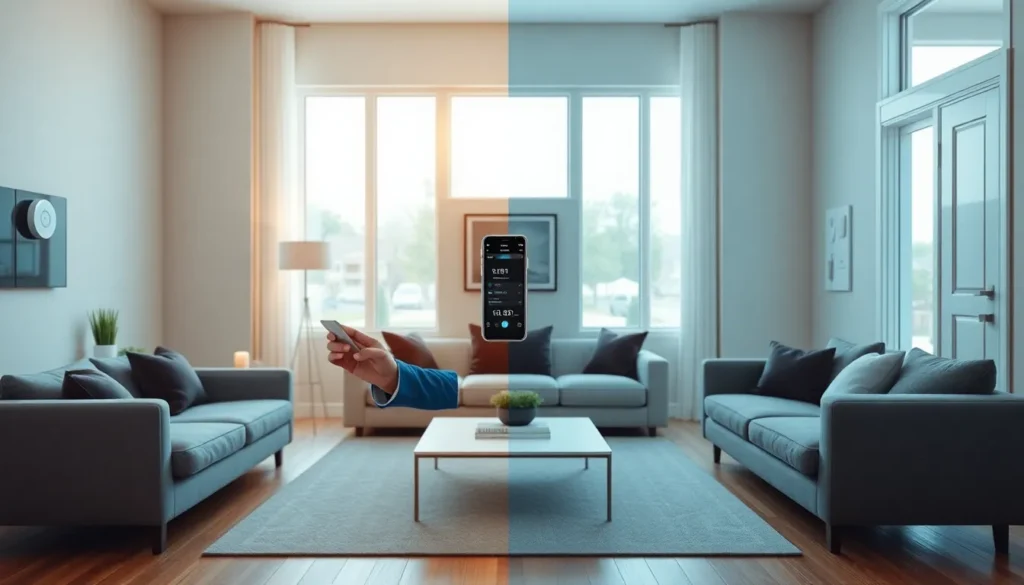
Smart home tech vs traditional home systems presents a choice many homeowners face today. Both options control lighting, heating, security, and entertainment. But, they differ in how they operate and what they offer. Smart home technology uses internet-connected devices that users control remotely. Traditional systems rely on manual switches, thermostats, and standalone equipment. This article compares smart home tech vs traditional approaches to help readers decide which fits their lifestyle, budget, and preferences.
Table of Contents
ToggleKey Takeaways
- Smart home tech vs traditional systems differs primarily in connectivity, remote access, and automation capabilities.
- Smart thermostats can reduce heating and cooling costs by 10-15% through learning algorithms and automated scheduling.
- Traditional home systems cost less upfront and offer proven reliability without depending on Wi-Fi or software updates.
- Smart home technology allows remote control of lighting, security, and climate from anywhere via smartphone or voice assistants.
- Privacy concerns and internet dependency are key drawbacks of smart devices, while traditional systems lack remote monitoring.
- The best choice between smart home tech vs traditional approaches depends on your budget, lifestyle, and comfort with technology.
What Is Smart Home Technology?
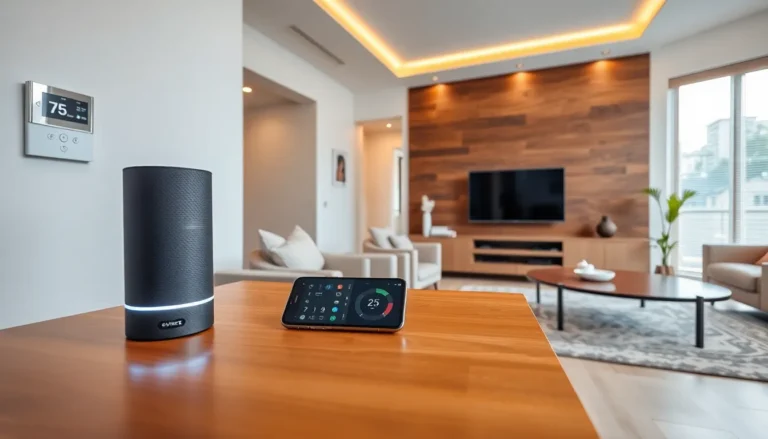
Smart home technology refers to devices and systems that connect to the internet. These devices allow users to control home functions through smartphones, voice assistants, or automated schedules. Common smart home tech includes thermostats, door locks, cameras, lighting, and speakers.
A smart thermostat, for example, learns a household’s schedule and adjusts temperatures automatically. Smart locks let homeowners unlock doors remotely or grant temporary access to guests. Voice assistants like Amazon Alexa and Google Assistant serve as central hubs, connecting multiple devices into one ecosystem.
Smart home tech vs manual controls offers clear advantages in convenience. Users can dim lights, adjust the AC, or check security cameras from anywhere with an internet connection. Many devices also track energy usage and help reduce utility bills over time.
Installation varies by product. Some smart devices replace existing equipment directly, like swapping a standard thermostat for a Nest or Ecobee. Others require professional setup, especially whole-home systems that integrate lighting, audio, and climate control.
Smart home technology continues to grow in popularity. According to Statista, the U.S. smart home market reached over $30 billion in 2024. More households adopt these devices each year as prices drop and compatibility improves.
How Traditional Home Systems Work
Traditional home systems operate without internet connectivity. They use manual controls, physical switches, and standalone devices. Homeowners interact directly with each system, flipping a light switch, turning a thermostat dial, or inserting a key into a lock.
These systems have functioned reliably for decades. A standard thermostat maintains a set temperature until someone changes it manually. Traditional door locks require physical keys. Conventional lighting uses wall switches to turn fixtures on or off.
Traditional systems often cost less upfront. Standard thermostats, locks, and light switches are inexpensive and widely available. Installation is straightforward for electricians and contractors. Repairs are also simpler because the technology is well-understood.
Reliability is a key strength of traditional setups. These systems don’t depend on Wi-Fi, apps, or cloud servers. Power outages aside, they work consistently without software updates or connectivity issues.
But, traditional systems lack remote access. Homeowners must be present to adjust settings. There’s no way to check if a door is locked or turn off lights from outside the home. Automation features don’t exist in standard configurations.
Smart home tech vs traditional systems highlights this difference clearly. Traditional approaches prioritize simplicity and proven reliability. Smart systems prioritize flexibility and remote control.
Key Differences Between Smart and Traditional Systems
Understanding smart home tech vs traditional systems requires comparing several factors. Here are the main differences:
Connectivity
Smart devices connect to Wi-Fi or home networks. They communicate with apps and cloud services. Traditional systems operate independently without internet access.
Control Methods
Smart home tech accepts voice commands, app controls, and automated schedules. Traditional systems require physical interaction, switches, dials, and keys.
Remote Access
Smart systems let users monitor and control their homes from anywhere. Traditional setups only work when someone is physically present.
Energy Efficiency
Many smart devices optimize energy use through learning algorithms and scheduling. Traditional systems maintain fixed settings unless manually adjusted. Smart thermostats alone can reduce heating and cooling costs by 10-15%, according to Energy Star.
Installation and Cost
Traditional equipment costs less upfront and installs quickly. Smart devices often carry higher purchase prices. Some require professional installation, especially integrated systems.
Security Features
Smart locks and cameras provide real-time alerts and remote monitoring. Traditional locks and alarm systems offer protection but lack remote visibility.
Maintenance
Traditional systems rarely need updates. Smart devices require regular software updates and depend on manufacturer support. If a company stops supporting a product, functionality may decline.
Smart home tech vs traditional options essentially trade simplicity for capability. The right choice depends on individual priorities.
Pros and Cons of Each Approach
Both smart home tech and traditional systems have clear advantages and drawbacks.
Smart Home Technology Pros
- Convenience: Control devices from anywhere using a phone or voice commands.
- Energy Savings: Smart thermostats and lighting reduce waste through automation.
- Enhanced Security: Real-time alerts, video monitoring, and remote lock control improve home protection.
- Integration: Devices from different brands can work together through platforms like Apple HomeKit or Google Home.
Smart Home Technology Cons
- Higher Costs: Smart devices and installation typically cost more than traditional options.
- Internet Dependency: Outages or connectivity issues can disable smart features.
- Privacy Concerns: Connected devices collect data, raising questions about security and surveillance.
- Learning Curve: Some users find setup and app management frustrating.
Traditional Systems Pros
- Lower Cost: Standard equipment is affordable and widely available.
- Proven Reliability: These systems work without internet, apps, or updates.
- Simple Operation: No apps to learn, no passwords to remember.
- Longevity: Traditional components often last for decades with minimal maintenance.
Traditional Systems Cons
- No Remote Access: Users can’t control or monitor their home away from the property.
- Manual Operation: Every adjustment requires physical presence.
- Limited Features: No automation, scheduling, or energy optimization.
- Outdated Feel: Some buyers see traditional systems as less modern or desirable.
Smart home tech vs traditional systems comes down to trade-offs. Those who value convenience and connectivity lean toward smart options. Those who prefer simplicity and lower costs often stick with traditional setups.