If you’re tired of dealing with dry skin, stuffy noses, and lingering odors or dust in your home, a humidifier and air purifier combo might be exactly what you need. These hybrid units tackle two major indoor air quality problems simultaneously, low humidity levels and airborne pollutants, without eating up extra floor space or requiring multiple electrical outlets. For homeowners looking to improve air quality without adding bulk to a room, understanding how these units work and what to look for is the first step toward making a smart investment. This guide walks you through everything you need to know about selecting, installing, and maintaining a combo unit that fits your home’s specific needs.
Table of Contents
ToggleKey Takeaways
- A humidifier and air purifier combo unit tackles dry air and airborne pollutants simultaneously while saving space and cost compared to buying two separate devices.
- HEPA filters capture 99.97% of particles down to 0.3 microns, while activated carbon layers eliminate odors and chemical off-gassing for comprehensive indoor air quality improvement.
- Position your combo unit at least 1 foot away from walls, use distilled water only, and replace HEPA filters every 6–12 months and carbon filters every 3–6 months for optimal performance.
- Maintaining optimal humidity levels (35–45%) combined with filtered air noticeably reduces snoring, allergy symptoms, and respiratory irritation, leading to better sleep quality within days.
- Modern Wi-Fi-enabled combo units automatically adjust output based on humidity and air quality sensors, sending smartphone notifications for filter replacement and maintenance reminders.
What Is a Humidifier and Air Purifier Combo?
A humidifier and air purifier combo is a single device that performs two functions: it adds moisture to dry air while simultaneously filtering out airborne particles and contaminants. Think of it as a one-two punch against common indoor air quality issues.
The humidifier component releases water vapor into the air, raising relative humidity levels (ideally 30–50% for comfort and health). This helps reduce static electricity, ease dry skin, and prevent respiratory irritation. The air purifier component uses filtration technology, typically HEPA filters, activated carbon, or both, to capture dust, pollen, pet dander, mold spores, and volatile organic compounds (VOCs).
Unlike buying two separate devices, a combo unit consolidates both systems into one chassis. This saves space, reduces clutter, and generally costs less than purchasing a standalone humidifier and air purifier separately. Some units also include smart controls, app integration, or sensor technology that automatically adjusts output based on detected humidity or air quality levels.
Key Benefits for Your Home and Family
Healthier Indoor Air Quality
Combo units directly address respiratory comfort. Higher humidity reduces airway irritation and helps prevent dry cough, especially during winter months or in arid climates. Simultaneously, HEPA and carbon filtration capture 99.97% of particles down to 0.3 microns, removing allergens and odors that standalone humidifiers can’t touch.
Space and Cost Efficiency
Installing one device instead of two frees up valuable floor or shelf space, particularly useful in smaller bedrooms or apartments. A quality combo unit often costs $200–$600, whereas buying separate humidifiers and air purifiers can easily exceed $800–$1,000 combined. You’ll also have a single power cord, one water tank to refill, and one set of filters to replace.
Convenience and Automation
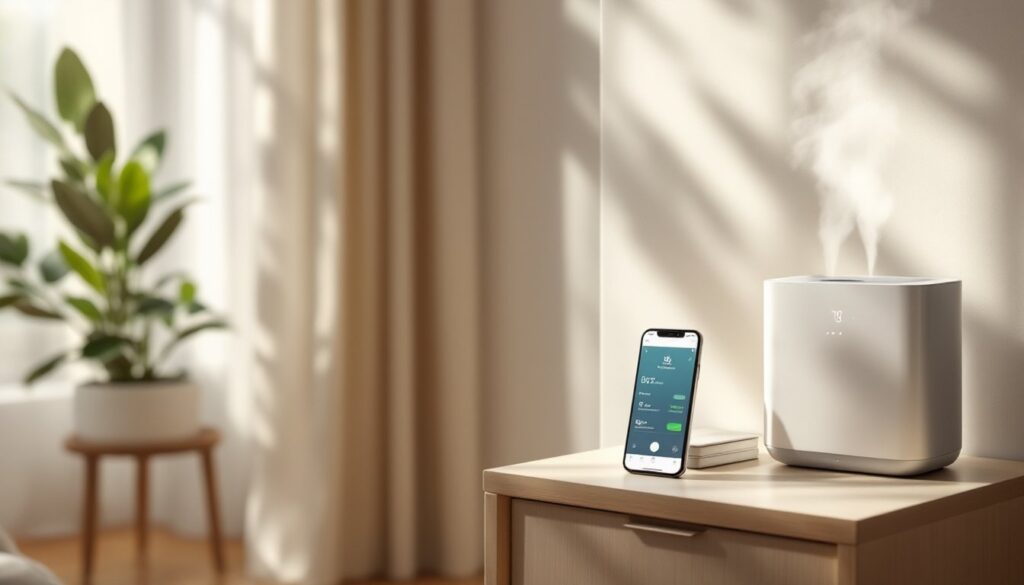
Many modern combo units include humidity sensors and air quality monitors that automatically adjust fan speed and mist output. Some connect to Wi-Fi and send smartphone notifications when filters need replacement or when the water tank is empty. This “set it and forget it” approach appeals to busy homeowners who don’t want to manually adjust settings throughout the day.
Better Sleep and Allergy Relief
Optimal humidity (35–45%) combined with filtered air reduces snoring, improves skin hydration overnight, and minimizes allergy symptoms. People with asthma or seasonal allergies often report noticeably better sleep quality within days of using a combo unit in the bedroom.
Important Features to Look For When Buying
Coverage Area and Room Size
Never assume a combo unit will work equally well in all room sizes. Check the manufacturer’s stated coverage area (usually measured in square feet). A unit rated for 300 square feet won’t effectively purify a 500-square-foot living room. Look for devices with adjustable fan speeds so you can run them quietly in bedrooms or at full capacity in larger open areas.
Tank Capacity and Runtime
Water tank capacity ranges from 1 to 6 liters. Smaller tanks (1–2 liters) need daily refilling, while larger ones last 12–24 hours on a single fill. If you’re installing the unit in a bedroom, overnight runtime matters: a tank running dry at 3 AM defeats the purpose. Consider how often you’re willing to refill water, especially if the tank location isn’t near a kitchen or bathroom.
Noise Level
Combo units run continuously when active, so noise matters in bedrooms and open-concept homes. Look for units rated 25–30 dB for quiet operation: anything above 40 dB can be disruptive. Read user reviews carefully, as manufacturer noise ratings don’t always match real-world performance.
Filtration Technology and Coverage Area
HEPA Filters
A True HEPA filter (not “HEPA-type”) captures 99.97% of particles as small as 0.3 microns. These are the gold standard for allergen removal and are particularly valuable if anyone in your household has asthma or dust allergies. HEPA filters typically last 6–12 months depending on air quality and filter size.
Activated Carbon Filters
These address odors, gases, and chemical off-gassing from furniture, carpets, or cleaning products. If pet odors, cooking smells, or new furniture smell are concerns, prioritize units with activated carbon layers. Like HEPA filters, carbon elements degrade over time and need replacement every 3–6 months for optimal performance.
Multiple-Stage Filtration
The best combo units use a tiered approach: a pre-filter (captures large dust and hair), a HEPA layer, and activated carbon. Some add UV-C light or ionizers, though these are optional and not necessary for effective air purification. According to smart home product reviews and buying guides, multi-stage systems consistently outperform single-filter designs in capturing a broader spectrum of pollutants.
How to Install and Set Up Your Combo Unit
Site Selection
Place your combo unit on a stable, flat surface at least 1 foot away from walls to allow proper air circulation. Avoid corners, shelves, or enclosed spaces where air intake and output vents get blocked. If using the unit in a bedroom, position it away from the bed’s head to avoid directing mist directly at your face overnight.
Water Tank Preparation
Fill the tank with distilled or demineralized water rather than tap water. Tap water contains minerals that can clog nozzles, leave white residue on surfaces, and damage internal components over time. Distilled water costs under $2 per gallon at most grocery stores and extends your unit’s lifespan significantly.
Initial Power-Up
Before running the humidifier function, allow the unit to sit unplugged for 30 minutes if it was recently moved or exposed to cold temperatures. This prevents condensation from damaging electrical components. Plug in the device, fill the tank, and run the unit on a low setting for 15 minutes to ensure proper operation before adjusting settings.
Filter Installation
Most units ship with filters pre-installed or packaged separately. Remove the pre-filter wrapping (usually plastic film) before use: this is a common mistake that reduces filtration effectiveness. Check manufacturer instructions for proper filter orientation, as some filters fit only one direction.
Smart Home Integration (if applicable)
If your combo unit supports Wi-Fi connectivity, download the manufacturer’s app and follow pairing instructions. Connect the device to your home network, enable notifications, and set your target humidity level (typically 40–45%). Smart units often include scheduling features, allowing you to program operation times around your daily routine. Good Housekeeping’s tested product recommendations emphasize that app-enabled units provide better control and filter-replacement reminders than manual models.
Maintenance and Care Tips for Longevity
Weekly Water Tank Cleaning
Empty and refill the water tank at least once weekly, even if water remains. Standing water grows bacteria and mold. Use a soft brush and warm water to clean the tank interior: avoid abrasive scrubbers that scratch plastic. Dry the tank thoroughly before refilling.
Monthly Filter Inspection
Check the pre-filter monthly for dust and debris buildup. Many pre-filters are washable, rinse under running water and allow to air-dry completely before reinstalling. HEPA and carbon filters aren’t washable and must be replaced: trying to clean them with water damages the filter material permanently.
Filter Replacement Schedule
Most manufacturers recommend replacing HEPA filters every 6–12 months and carbon filters every 3–6 months, depending on air quality and usage. Don’t wait until performance noticeably drops: clogged filters reduce both air purification and humidity output. Smart units with app connectivity often notify you automatically when replacement is due. Buy replacement filters directly from the manufacturer or verified retailers to avoid counterfeit products that underperform and may release fibers into your air.
Descaling the Humidifier
Even with distilled water, mineral deposits can accumulate on internal nozzles over time. Once monthly, empty the tank and run a descaling solution (1 part white vinegar to 2 parts water) through the system for 10–15 minutes. Rinse thoroughly with distilled water before normal use. CNET product reviews and how-to guides highlight that neglecting this step is the leading cause of reduced humidity output and premature unit failure.
Storage Between Seasons
If you’re putting the unit away during humid months, empty the tank completely, run a vinegar descale cycle, and allow all components to air-dry. Store in a cool, dry place away from direct sunlight. Before next season, repeat the initial power-up process described above to ensure everything operates correctly.
Conclusion
A humidifier and air purifier combo is a practical investment for homeowners serious about indoor air quality and comfort. By handling both humidity and contamination in one device, you save space, money, and the hassle of managing two separate systems. Focus on coverage area, filtration type, noise level, and tank capacity when comparing models. Proper installation and consistent maintenance, distilled water, regular filter replacement, and monthly descaling, keep your unit running efficiently for years. With these foundations in place, you’ll notice improvements in sleep quality, respiratory comfort, and overall home freshness almost immediately.