
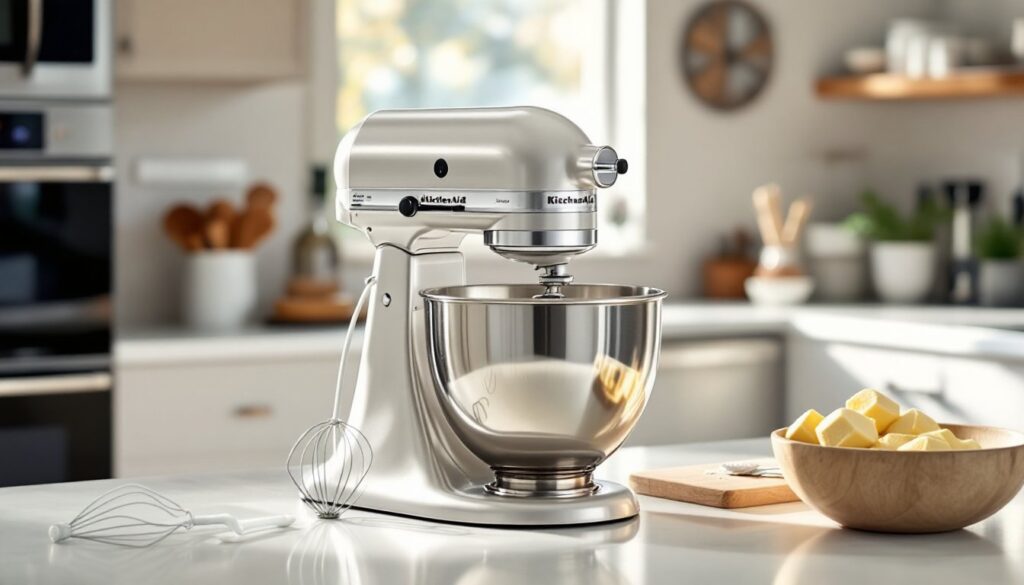
A KitchenAid stand mixer is the kind of kitchen workhorse that justifies its price tag through years of reliable mixing, kneading, and whipping. But that premium price tag doesn’t have to come straight from your wallet. Refurbished KitchenAid mixers offer a smart middle ground: you get the same durable construction and performance as a new model, but at a fraction of the cost. For homeowners and DIY kitchen enthusiasts looking to upgrade their baking and cooking setup without overspending, understanding what “refurbished” actually means and where to find legitimate deals makes all the difference. This guide walks you through everything you need to know about refurbished KitchenAid mixers in 2026.
Table of Contents
ToggleKey Takeaways
- Refurbished KitchenAid mixers are manufacturer-inspected units that cost 20–40% less than new models while maintaining the same durability and performance, making them ideal for budget-conscious home bakers.
- A refurbished KitchenAid mixer comes with a one-year limited warranty covering parts and labor, provided you purchase directly from KitchenAid or authorized retailers rather than third-party resellers.
- The Artisan model with its 325-watt motor is sufficient for most home baking needs, while Professional and Commercial versions are only necessary for large-scale cooking or catering operations.
- Before buying a refurbished mixer, confirm the seller is reputable, verify warranty details and return policies, and decide if you can accept standard colors like white, black, or stainless steel instead of specialty finishes.
- Refurbished KitchenAid mixers are the right choice if you bake regularly and prioritize reliable performance over aesthetics, but avoid units with no warranty coverage or unclear refurbishment details.
What Are Refurbished KitchenAid Mixers?
A refurbished KitchenAid mixer is a unit that’s been returned, used, or slightly damaged, then inspected, repaired (if needed), cleaned, and repackaged by the manufacturer or an authorized third party. It’s not the same as a “second-hand” mixer you’d buy from a neighbor, refurbished units go through a controlled quality check process.
Manufacturer-refurbished mixers carry more weight than dealer-refurbished ones. When KitchenAid itself refurbishes a unit, they follow strict standards: they replace worn components (like the rubber bowl gasket or worn gears), test all functions, and often replace cosmetic panels if there’s visible damage. These mixers typically come with a manufacturer warranty, often one year.
Dealer-refurbished units, sold by authorized retailers or resellers, should also meet quality standards, but warranty terms and inspection rigor can vary. Always confirm the refurbishment details before buying. The bottom line: refurbished doesn’t mean “broken and patched up”, it means the mixer has been inspected, restored to working order, and tested before it ships to you.
Why Choose a Refurbished Model Over New
The math is simple: a refurbished KitchenAid Artisan stand mixer (the most popular model) typically costs 20–40% less than a new one. If you’re looking at a new unit in the $300–400 range, refurbished versions often drop to $200–250, depending on the color and condition rating.
You’re not sacrificing durability. KitchenAid stand mixers are engineered to last decades, and a refurbished model with a year’s warranty has already proven its mechanical reliability through testing. The motor, gearbox, and tilt-head mechanism are the same whether the unit is new or refurbished. What you’re really buying when you go refurbished is the mixer without the “retail markup” that covers packaging, shelf space, and marketing costs.
For homeowners renovating a kitchen or setting up a new baking station on a budget, this frees up money for other upgrades, new countertops, a stand mixer cover, or additional mixing bowls and attachments. There’s also a small environmental win: you’re keeping a perfectly functional appliance out of the landfill.
The trade-off is minimal. Refurbished units rarely come in the newest colors, and you might get a standard stainless steel finish instead of a trendy matte or metallic shade. If you don’t care about aesthetics and want a reliable mixer that works, refurbished is hard to beat.
Where to Buy Refurbished KitchenAid Mixers
The safest place to buy is directly from KitchenAid through their official refurbished outlet. You get their factory inspection guarantee, a one-year warranty, and straightforward return policies. KitchenAid regularly lists refurbished units on their website, typically in a dedicated “Factory Refurbished” or “Outlet” section.
Authorized KitchenAid retailers, places like Target, Bed Bath & Beyond (where available), and specialty kitchen stores, sometimes carry refurbished stock. Confirm with the store that it’s officially refurbished and eligible for a manufacturer warranty, not just a clearance or open-box item.
Online marketplaces like eBay and Amazon do carry refurbished KitchenAid mixers, but buyer beware: verify the seller’s rating, read all condition descriptions carefully, and check whether the warranty is transferable to you as the new owner. Many eBay sellers offer manufacturer-backed refurbished units, but you need to do your assignments.
Specialized appliance retailers and refurbished electronics sites sometimes stock KitchenAid mixers too. You can find specific deals through price-comparison tools, recent discussions note that KitchenAid deals appear regularly on major retail sites, so checking those outlets periodically pays off.
Avoid unmarked “used” or “as-is” units unless you’re comfortable replacing components yourself. Stick with refurbished from identifiable sources.
Key Features to Compare Across Models
Not all KitchenAid stand mixers are created equal. The Artisan (5-quart bowl) is the entry-level workhorse, perfect for most home bakers. It mixes cookie dough, bread, and cake batters without struggle. The Professional (6-quart bowl) and Commercial (8-quart bowl) models are overkill for typical home use unless you’re running a small catering operation or baking for large events.
Power matters. The Artisan uses a 325-watt motor, while the Professional models push closer to 500 watts and up. For casual home baking, 325 watts is plenty, it’ll knead stiff dough and whip meringue without hesitation. Higher wattage helps if you’re regularly working with large batches or very thick dough.
Bowl material varies: stainless steel is standard, easy to clean, and durable. Ceramic bowls (on some special editions) look nicer but can chip and cost more to replace. Coated steel bowls on budget models work fine but may scratch over time.
Color and finish are purely aesthetic, but it’s worth noting that refurbished units come in fewer options. You’ll see white, black, matte red, or silver much more often than specialty colors like candy apple red or ocean blue.
Attachments included matter too. Every mixer comes with a flat mixing paddle, dough hook, and wire whip. Some refurbished bundles include a pouring shield or extra bowls, check the listing. Accessories purchased separately add cost, so factor that in when comparing prices.
Warranty and Return Policies Explained
Manufacturer refurbished KitchenAid mixers typically come with a one-year limited warranty covering parts and labor. This covers defects in material and workmanship, basically, if the motor fails, the gearbox seizes, or a button breaks under normal use, you’re protected. What it doesn’t cover: normal wear, misuse, or damage from drops and accidents.
Return policies vary by seller. Direct from KitchenAid, you usually have 30–60 days to return a refurbished mixer if it arrives damaged or doesn’t function as described. Third-party sellers (eBay, marketplace retailers) may have shorter windows (14–30 days). Always read the return policy before purchasing.
Third-party refurbished units sold by dealers might come with shorter warranties, sometimes just 90 days. This is where buying direct from KitchenAid or from an authorized retailer pays off: longer coverage gives you peace of mind. If a unit has a 30-day warranty only, it’s a red flag unless the price is deeply discounted.
Keep your receipt and registration paperwork. Some warranty claims require proof of purchase and date. If you register the mixer on KitchenAid’s website, it can strengthen your claim if something goes wrong early on.
Never buy a refurbished mixer with “no warranty” unless it’s steeply discounted and you’re comfortable self-diagnosing and repairing issues. A mixer without warranty coverage isn’t really a deal, it’s a gamble.
Is a Refurbished KitchenAid Mixer Right for You?
Ask yourself three questions: First, do you actually use a stand mixer regularly, or would it sit in a cabinet? If you bake at least once a month or frequently mix thick batters and doughs, a refurbished mixer pays for itself in convenience and time saved. If baking is occasional, a hand mixer or budget food processor might serve you just as well.
Second, can you live without the latest color or finish? If your kitchen design inspiration comes from interior design platforms and you’re committed to a specific aesthetic, you might need a new mixer in the exact shade you want. Refurbished limits your color palette, but classic white, black, and stainless steel are timeless.
Third, do you have a backup plan if something fails after the warranty expires? KitchenAid mixers are repairable, replacement gears, bowls, and motors are available, but not cheap. A five-year-old refurbished mixer is still a good investment because parts are reliable, but you should know repair costs upfront. Motor replacements run $100–200: a new bowl, $40–60.
Refurbished is the right choice if you want reliable performance at a fair price, don’t mind missing the “new” experience, and are willing to stick with standard finishes. It’s the wrong choice if you need the latest color option or want to flip the mixer for resale in a year or two. For kitchen organization and appliance strategy discussions, many experienced home bakers recommend refurbished units as a smart entry point into stand mixer ownership.
Conclusion
A refurbished KitchenAid mixer delivers genuine value. You’re getting a built-to-last appliance that’s already passed quality inspection, at a price that makes sense for your wallet. The key is buying from a reputable source, understanding the warranty terms, and knowing what compromises you’re willing to make on color and cosmetics. For homeowners serious about baking, refurbished is a smart, practical choice that doesn’t require you to sacrifice reliability or performance.