The best smart home tech in 2025 offers more control, convenience, and energy savings than ever before. Homeowners now have access to devices that learn their habits, respond to voice commands, and integrate seamlessly with each other. From intelligent thermostats to advanced security cameras, smart home technology has become practical and affordable for most households.
This guide covers the top categories of smart home tech available today. Whether someone wants to automate their lighting, improve home security, or reduce energy bills, these devices deliver real value. Here’s what to know about the best smart home tech options for 2025.
Table of Contents
ToggleKey Takeaways
- The best smart home tech in 2025 starts with choosing the right voice assistant—Amazon Alexa offers the widest compatibility, Google Assistant excels at natural language, and Apple Siri leads in privacy.
- Smart thermostats like Nest and ecobee can significantly reduce utility bills by learning your habits and adjusting temperatures automatically.
- Smart lighting systems provide easy home automation entry points with features like scheduling, motion activation, and energy-saving dimming.
- Video doorbells and smart locks from brands like Ring, Nest, and August offer real-time monitoring and convenient keyless access for enhanced security.
- Integrating the best smart home tech through a single app or voice assistant creates seamless control over lighting, climate, and security from anywhere.
Voice Assistants and Smart Speakers
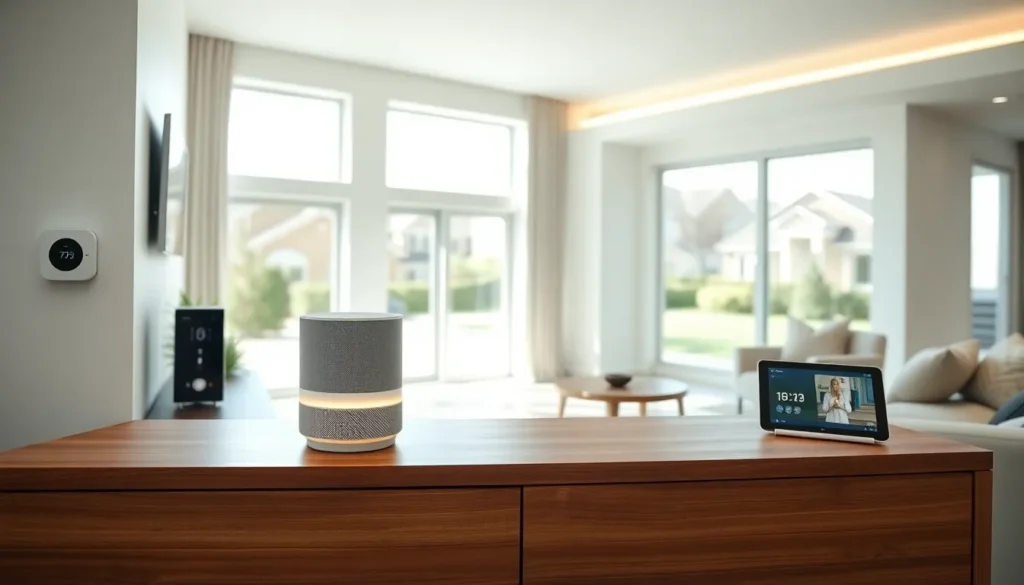
Voice assistants serve as the central hub for most smart home setups. Amazon Alexa, Google Assistant, and Apple Siri power millions of devices worldwide. These systems let users control lights, locks, thermostats, and entertainment with simple voice commands.
Smart speakers have improved significantly in 2025. The Amazon Echo lineup now offers better sound quality and faster response times. Google Nest speakers provide excellent integration with Android devices and smart displays. Apple’s HomePod delivers premium audio for those invested in the Apple ecosystem.
The best smart home tech often starts with choosing the right voice assistant. Each platform has strengths:
- Amazon Alexa: Widest device compatibility and skill library
- Google Assistant: Best natural language processing and search integration
- Apple Siri: Strongest privacy features and seamless iPhone integration
Smart displays like the Echo Show and Google Nest Hub add visual feedback to voice control. Users can view security camera feeds, watch video recipes, or make video calls. These devices also work as digital photo frames and alarm clocks.
For households with multiple smart devices, a dedicated voice assistant makes daily routines simpler. Setting up morning routines, controlling entertainment systems, and checking the weather all happen with a quick voice command.
Smart Lighting Systems
Smart lighting represents one of the easiest entry points into home automation. These systems let homeowners control brightness, color, and schedules from their phones or voice assistants.
Philips Hue remains a top choice for smart lighting in 2025. The ecosystem includes bulbs, light strips, outdoor fixtures, and smart switches. Hue’s color-changing bulbs create custom ambiance for any room or occasion.
Budget-conscious buyers often choose Wyze or LIFX bulbs. Wyze offers affordable options that work without a separate hub. LIFX provides vibrant colors and high brightness levels at mid-range prices.
The best smart home tech for lighting includes these features:
- Scheduling: Lights turn on and off automatically based on time or sunrise/sunset
- Motion activation: Sensors trigger lights when someone enters a room
- Scene creation: One command adjusts multiple lights to preset configurations
- Away modes: Random lighting patterns simulate occupancy while traveling
Smart switches and dimmers offer an alternative to replacing every bulb. Lutron Caseta and C by GE switches work with existing fixtures. They provide smart control without changing the bulbs themselves.
Energy savings add up quickly with smart lighting. Automated schedules prevent lights from staying on in empty rooms. Dimming capabilities reduce power consumption while extending bulb life.
Smart Thermostats and Climate Control
Smart thermostats rank among the best smart home tech investments for energy savings. These devices learn household patterns and adjust heating and cooling automatically. Most users see reduced utility bills within the first few months.
The Nest Learning Thermostat remains a popular choice. It tracks temperature preferences and creates schedules without manual programming. The device also senses when no one is home and adjusts accordingly.
ecobee thermostats include room sensors for balanced temperatures throughout the house. This feature prevents hot and cold spots that single-point thermostats miss. The ecobee SmartThermostat also has Alexa built in.
Honeywell Home offers smart thermostats at various price points. Their T-series models provide reliable performance with straightforward app controls. These work well for users who want smart features without extensive automation.
Key benefits of smart thermostats include:
- Learning algorithms: Devices adapt to daily routines over time
- Remote access: Adjust temperature from anywhere via smartphone
- Energy reports: Track usage patterns and identify savings opportunities
- Integration: Connect with other smart home devices for automated routines
Smart vents and fans extend climate control further. Flair smart vents direct airflow to specific rooms based on occupancy or temperature. Smart ceiling fans from companies like Hunter and Big Ass Fans adjust speed based on room conditions.
The best smart home tech for climate control pays for itself through energy savings. Many utility companies offer rebates for installing these devices, reducing the upfront cost even more.
Home Security and Monitoring Devices
Home security devices protect property and provide peace of mind. Modern systems combine cameras, sensors, and smart locks into unified platforms. The best smart home tech for security offers professional monitoring or self-monitoring options.
Video doorbells have become essential for many homeowners. Ring and Nest doorbells show visitors in real-time through smartphone notifications. These devices record footage and allow two-way communication with anyone at the door.
Indoor and outdoor cameras provide constant monitoring. Arlo cameras offer wire-free installation and excellent video quality. Eufy cameras store footage locally, eliminating monthly cloud storage fees. Wyze cameras deliver impressive features at budget-friendly prices.
Smart locks add convenience and security to entry points. August, Schlage, and Yale offer locks that work with voice assistants and smartphone apps. Users can create temporary access codes for guests, cleaners, or delivery personnel.
Complete security systems integrate multiple components:
- Door and window sensors: Alert when entry points open unexpectedly
- Motion detectors: Identify movement inside or outside the home
- Glass break sensors: Detect the sound of breaking windows
- Water leak sensors: Warn about potential flooding before damage occurs
Simplisafe and Ring Alarm offer DIY installation with optional professional monitoring. ADT and Vivint provide full-service installation and 24/7 monitoring for those who prefer hands-off security.
The best smart home tech for security connects all devices through a single app. This integration allows homeowners to arm systems, view cameras, and lock doors from one interface.